
Mastering Photorealism in Visual Effects
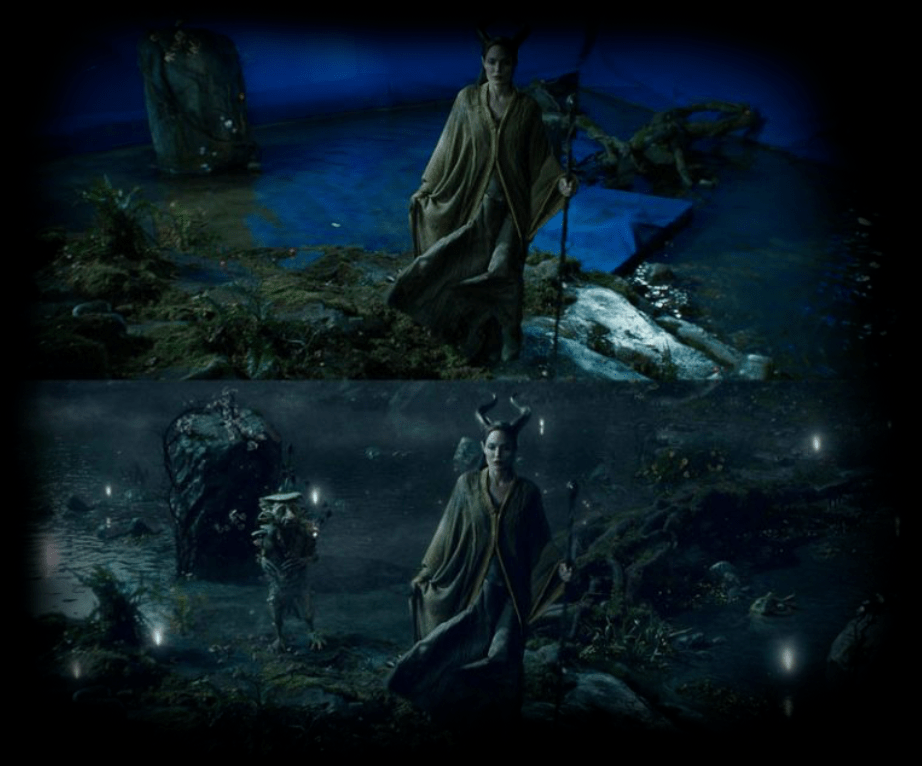
Introduction
Photorealism in visual effects (VFX) is an art form that strives to create images indistinguishable from reality. This pursuit encompasses various disciplines—modeling, texturing, shading, lighting, matte painting, and compositing. This article delves into the principles of photorealism, explores its challenges, and provides practical examples to illustrate key concepts.
The Essence of Photorealism
1.Understanding Realism in CG
Achieving photorealism requires a delicate balance between detail and the constraints of hardware, schedules, and budgets. Here are key components to consider:
- Modeling: Ensure accuracy by breaking symmetry and introducing organic shapes that mimic real-world objects.
Example Image: A comparison of a symmetrical 3D model versus an organically shaped one.
- Texturing and Shading: Surfaces should reflect real-world imperfections, including scratches, dirt, and wear.
Example Image: Textures showcasing realistic surfaces, like weathered wood or metal.
2.The Role of Imperfections
Nature is chaotic and diverse; every element exhibits uniqueness. To mimic this in CG:
Depth of Field: Create a realistic focus by emulating camera lens effects.
Example Image: A photograph demonstrating shallow depth of field in a natural setting.
Surface Variations: Incorporate subtle bumps and imperfections to enhance texture realism.
Example Image: Close-ups of real objects highlighting their imperfections.
Lighting Effects: Utilize natural lighting techniques to replicate how light interacts with surfaces.
Example Image: Photographs of environments showcasing different lighting conditions.
Environmental Elements: Add dust, scratches, and atmospheric effects during compositing.
Example Image: A side-by-side comparison of a clean CG render versus one with added atmospheric effects.
Blending Reality and Fantasy
In VFX, especially in fantasy and sci-fi genres, the challenge lies in grounding imaginative worlds in recognizable elements:
- Iconic Examples: Films like Avatar and Inception blend the unreal with familiar aspects, enhancing believability.
Example Image: Stills from these films highlighting the integration of real-world features.
The Quality of Imagery
Quality in photorealism extends beyond resolution and pixel counts. Focus on:
- Light Interaction: Understand how light behaves in various environments. Example Image: Side-by-side comparisons of CG renders with varying light interactions.
- Texture Richness: Detailed textures enhance realism, as seen in nature photography. Example Image: High-resolution nature images showcasing texture details.
- Depth Perception: Create a three-dimensional feel through proper composition and lighting. Example Image: A visual diagram demonstrating depth cues in a scene.
The Convergence of 2D and 3D Workflows
The integration of 2D and 3D techniques enriches visual storytelling:
- Collaboration Examples: Discuss how artists blend methodologies, like combining 3D modeling with 2D matte painting.
Example Image: A behind-the-scenes look at a VFX project showing both processes in action.
- Case Study: Daniel Bayona’s matte painting of St. Peter’s Basilica showcases the blend of 3D and 2D techniques.
Example Image: A screenshot of the final artwork along with early drafts of the 3D model.
Conclusion
Mastering photorealism in VFX is an intricate journey that demands attention to detail, a deep understanding of natural elements, and the ability to blend various artistic methodologies. By recognizing the chaos of reality and employing techniques that embrace imperfections, artists can create breathtaking visuals that resonate with audiences.
Call to Action
For those aspiring to delve into the world of photorealism, consider exploring workshops, online courses, and community forums to refine your skills and share your progress.
Suggestions for Real-World Images
- Natural Elements: Use high-quality images of forests, clouds, and landscapes to illustrate texture and lighting.
- CG Examples: Incorporate screenshots from popular films or VFX projects that exemplify photorealism.
- Behind-the-Scenes: Include images from the production of VFX films to show the creative process.
 Ramesh VFX